
When a room is not warm properly, or we want a new radiator in a converted room, it's easy to say, "just put another one on."However, the existing heating circuit does not consist of separate radiators. Water from the boiler or other heat generators will reach and return to the heat drains through pipelines. The replacement of a new branch, a radiator or several valves may therefore also affect the operation of the entire circle. The first question for residential heating is not which radiator you like, but what works now and what we want to change.
Enlargement starts with the existing system
If we expand an existing system, it is worth first following the forward and returning pipes, looking at radiators, valves and accessible connections. The floor of the apartment, the desired new heat drain location and the experience so far - for example, a always colder room or a leaking connection - are more said than a general "radiator exchange" order. The new tube trail is not just aesthetic question: it matters where you can drive, where you will be accessible later, and how the wall or floor needs restoration. The size of the heat drain and the construction of the pipeline shall be selected for the specific location, not copied on the basis of an earlier work.
What's the radiator valve doing?
With the radiator, the valve is not just a ornament. The thermostatic valve adjusts the radiator's water flow to the room temperature; the other adjusting valve or presetting may play a role in adjusting the circle. If water is easier to walk on a nearby branch, a further radiator can get less. It is therefore not enough to see that all radiators have been heated once after a new heat drain or valve replacement: the system has to be checked in several rooms. Not all types of valves are suitable for all single or double duct networks; the construction of the existing circuit must be identified first.
Where is the boiler connected to this?
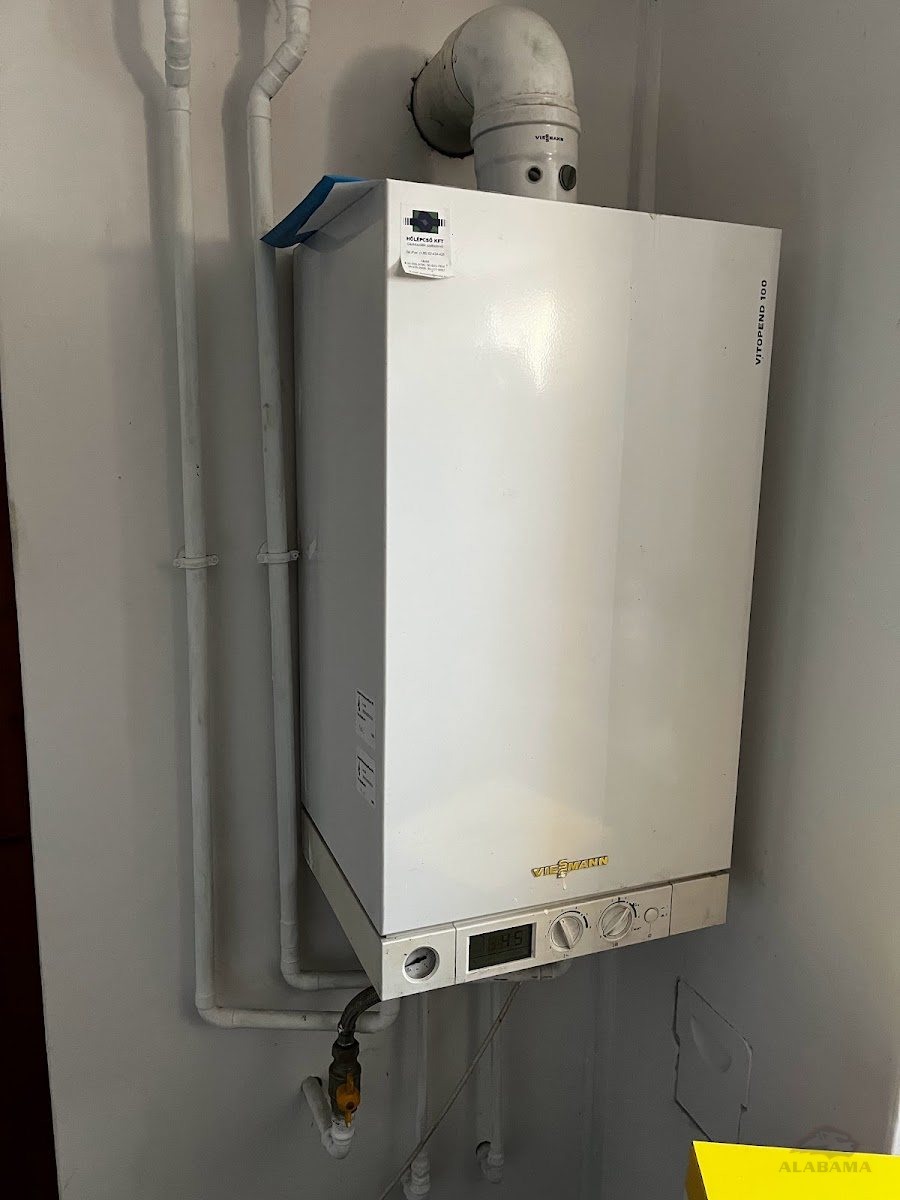
On the cover photo mounted on the wall Viessmann Vitopend 100 boilers. This is not a radiator exchange photo, but it reminds me that radiators are part of the heating circuit related to the heat generator. The water-side lines starting from and returning from the boiler, the requirements of regulation and the new branch, together, determine what fits into the existing system. This does not mean that the article promises to exchange boilers or gas equipment: if the intended work affects the appliance or the gas side, it shall be clarified by means of an appropriate branch and according to the requirements of the device.
What is it worth clarifying at the meeting?
In a good meeting, there are three things on the table. The goal first is to fix a mistake, change a radiator, or put a new room in the circle? Secondly, the limit: which pipes and valves remain, what breakdown and restoration is required, or is there a device-side issue that requires a separate branch? Third, after installation, the bandages, filling, depressurization and operation must also be checked and then show which valve is suitable. If there are several errors in an old system at the same time, it is worth deciding whether it is a local error before the "one radiator only" solution.
A few photos of radiators and boilers and a brief description of the current errors may be useful for discussion; they do not replace the on-site survey. Not all apartments need full heating upgrades. Sometimes a well-defined repair is a sensible next step; sometimes the piping, valves and thermal drains are asked for a review together. The decision does not require any promised savings or spectacular percentages. It is necessary to be clear from the situation on the ground: what we are transforming, what we are not touching, and how we are controlling the result.
Technical background: Viessmann: central heating construction, Viessmann: radiator valves, Danfoss: valve for two-tube system and Vaillant: filling and depressurisation. These are general manufacturers' examples, not technical data sheets for a specific Alabama work.
Related professional articles
Are you planning to expand or improve heating?
Describe which room and radiator are affected, what is the current error or transformation target, and whether there is a layout or photo. Undertakings may be consulted on the basis of the existing system.