
In an industrial environment, engineering is more than just heating and cooling in the winter. The different use of rooms, the heat load of technology, the fresh air demand, the gate openings and the schedule of shifts are the same as the operation. If heating, cooling and air technology are separately sized or built on different assumptions, systems can easily work against each other. The good industrial building services engineering therefore starts with an understanding of the operating process, and only then will the equipment be selected.
Industrial engineering task for a specific location
The Alabama Szer Kft. the connection of heating, cooling, air-conditioning and pipework systems on its industrial mechanical service side can be seen. For a specific task, user data and on-site capabilities provide the basis for an accurate survey.
Not three systems, but a task of operation
The heating recovers the heat loss, the cooling handles the internal and external heat load, and the air technology ensures the necessary air exchange, ventilation and air distribution. However, these tasks are linked. The temperature of the intake air affects the heating and cooling demand, the suction requires replacement air, and a technological device can mean both heat and separate suction demand.
The important thing for the customer is that system boundaries are visible. It must be clear which rooms or technologies belong to the same control zone, what conditions of operation must be prepared and what happens when part loads or stops. The "same everywhere" solution is usually problematic because the office, workshop, warehouse and technological space do not use energy and air in the same way.
The survey shall understand the operation of the plant
Initial data may not only be collected from a layout. The purpose of the rooms, the presence of inside workers and machines, the state of the shift, gate openings, sources of air pollution, the necessary suction and existing systems is important. A specific question for renewal is what can be retained, what can be expanded, and where is a restriction that should be taken into account in the design.
Exploring actual needs prevents the system from being prepared for one extreme state, but not well regulated in everyday operation. It is appropriate to consider the normal plant, heating or cooling, partial use, maintenance and cases where a room is temporarily operating differently.
Track, Engineering and Access
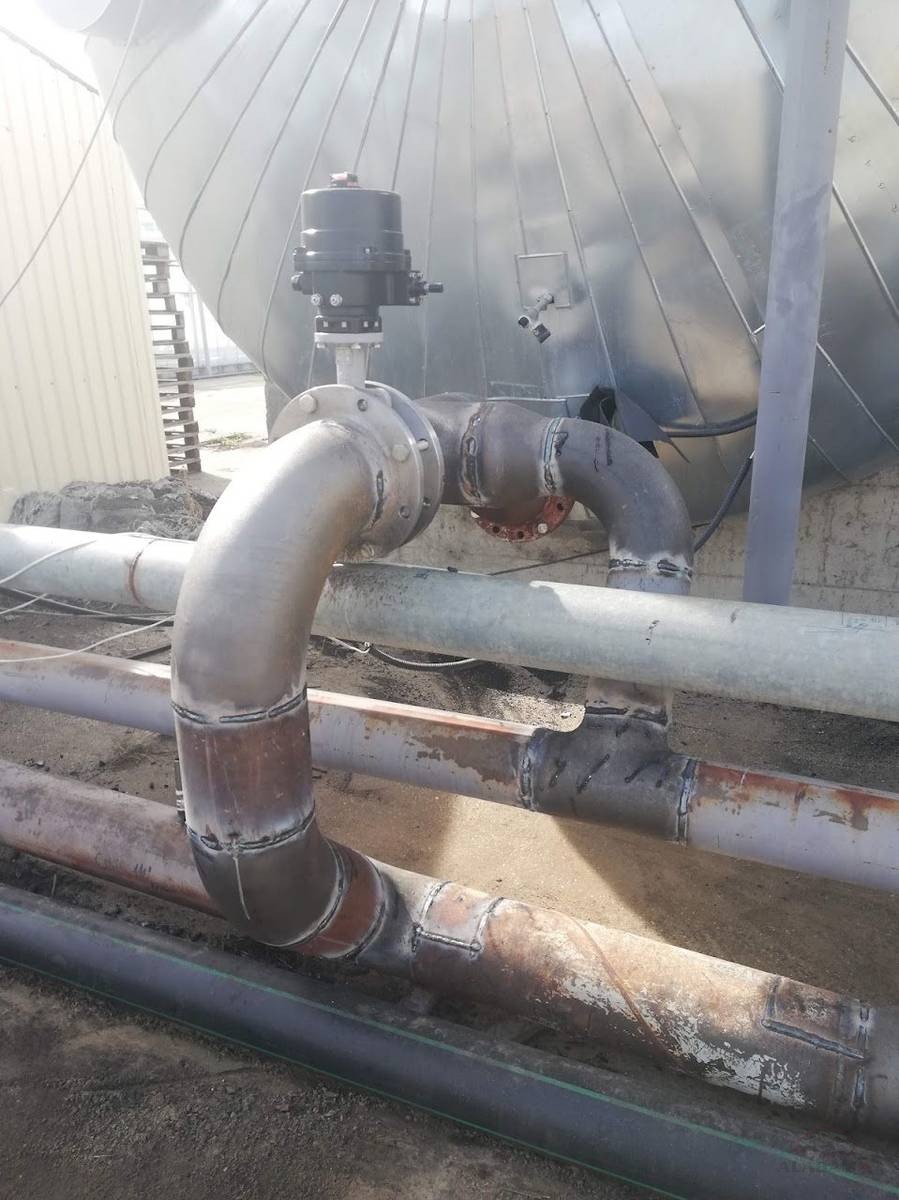
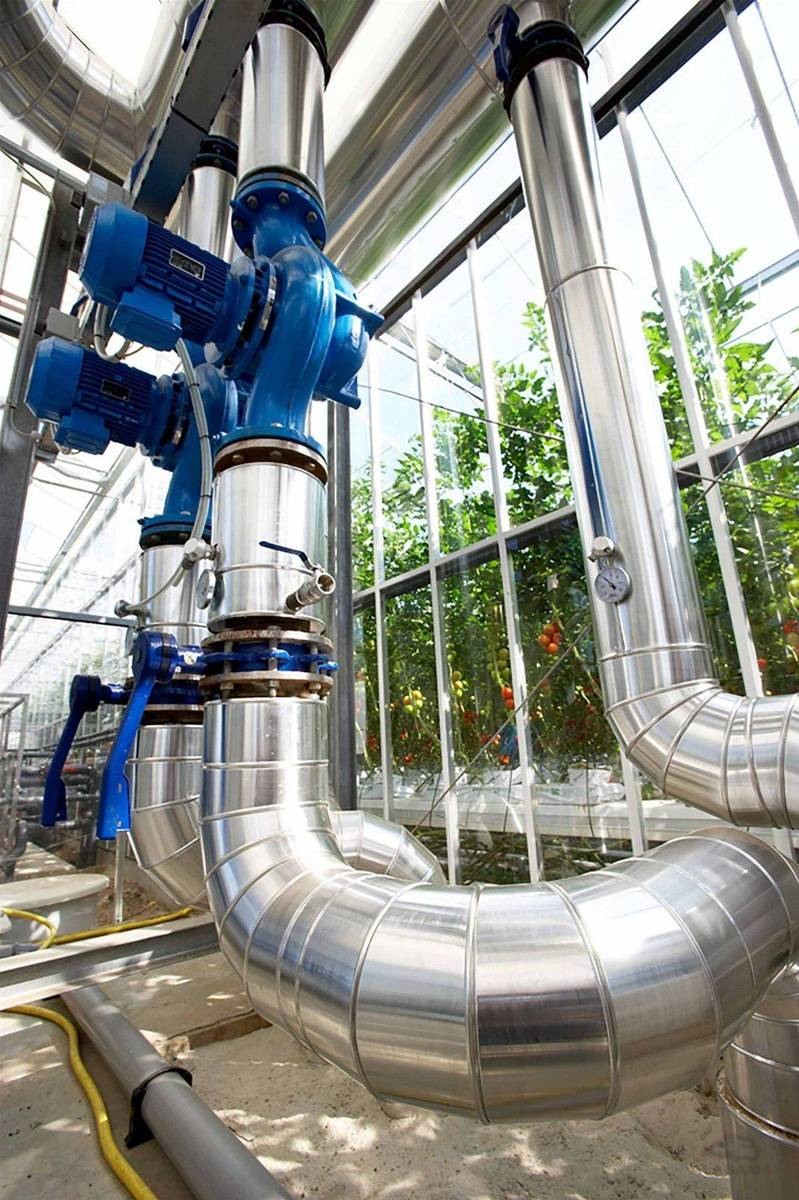
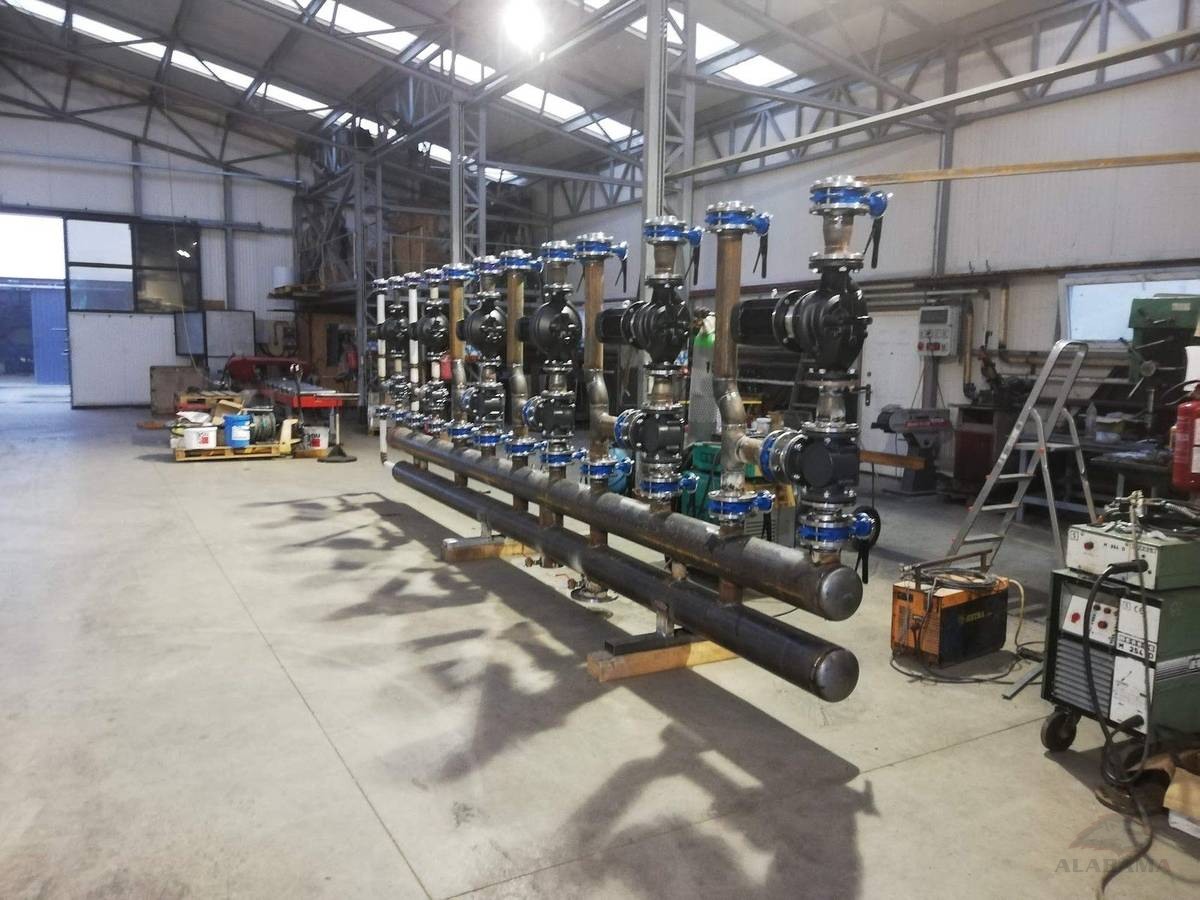
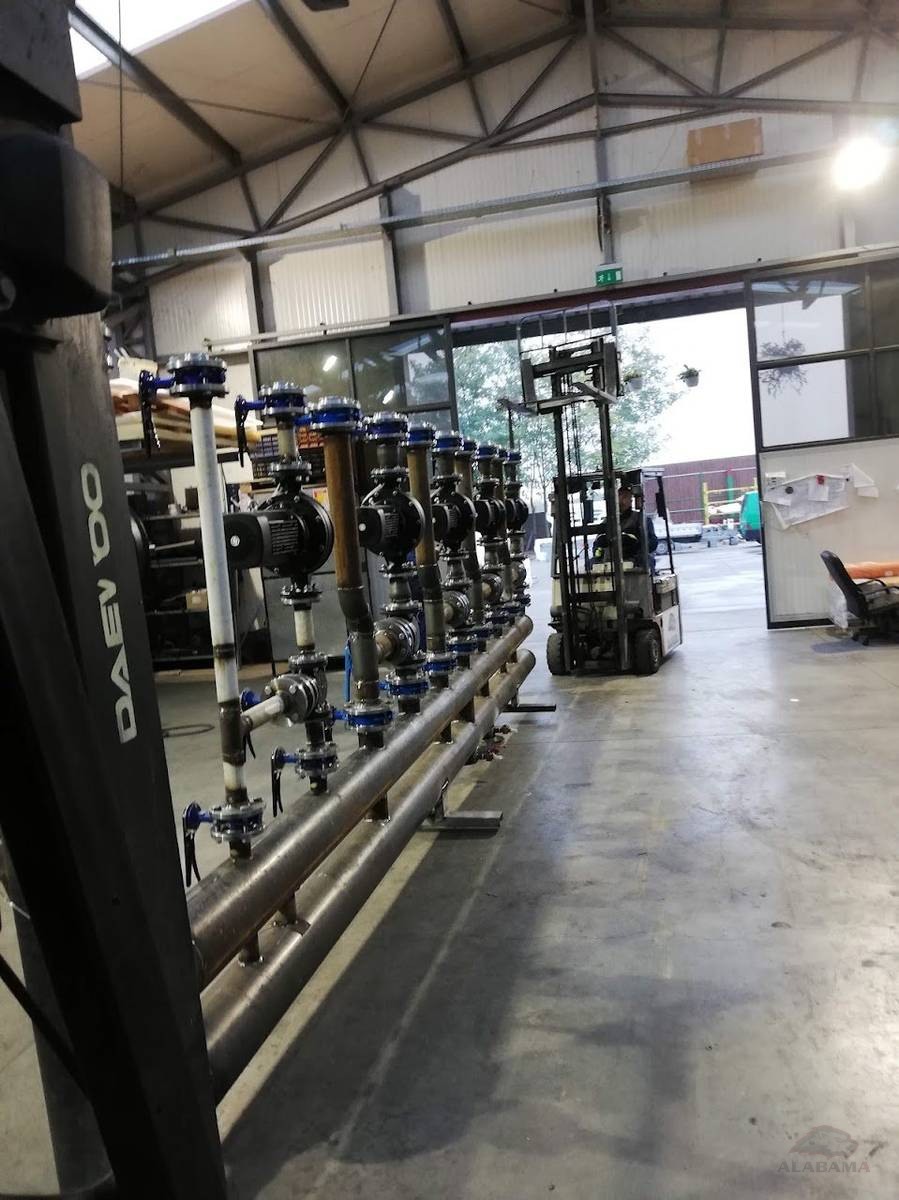
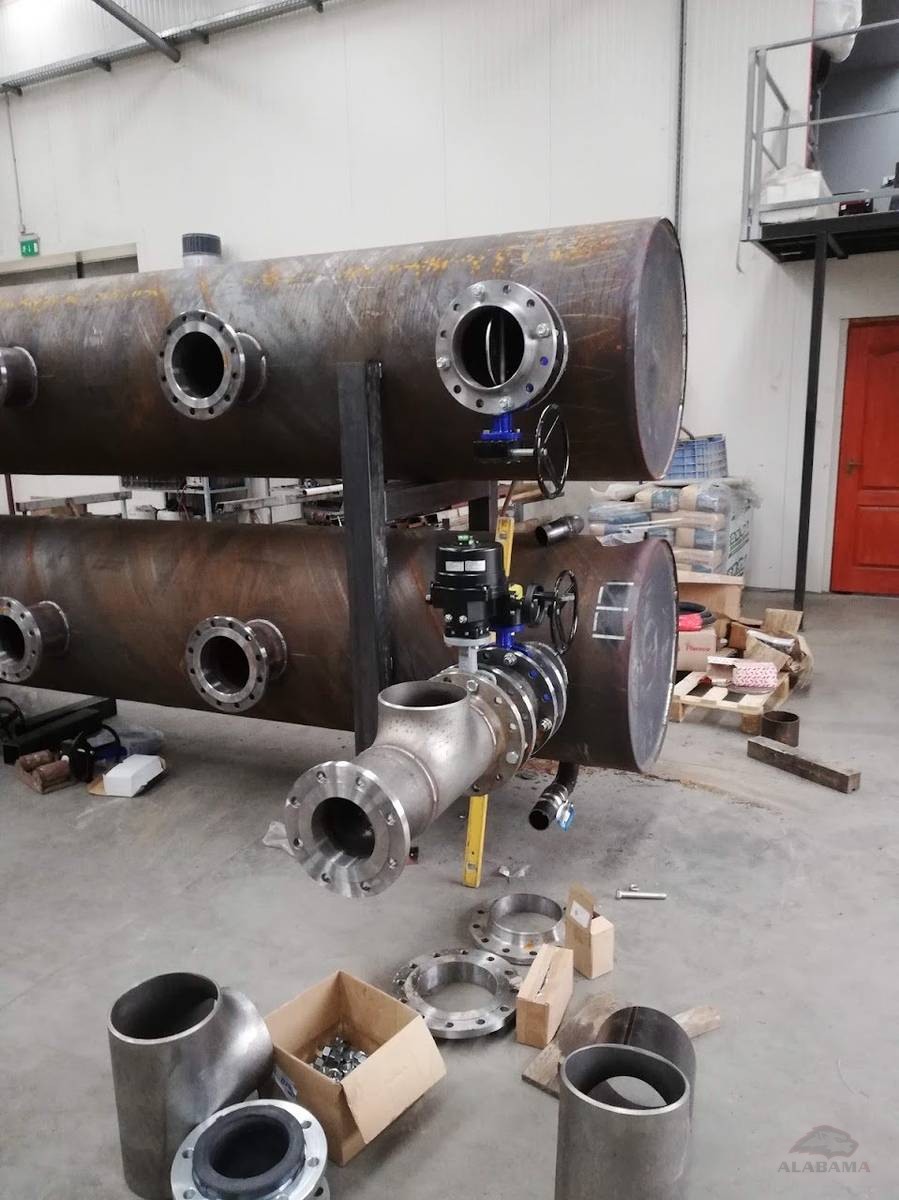
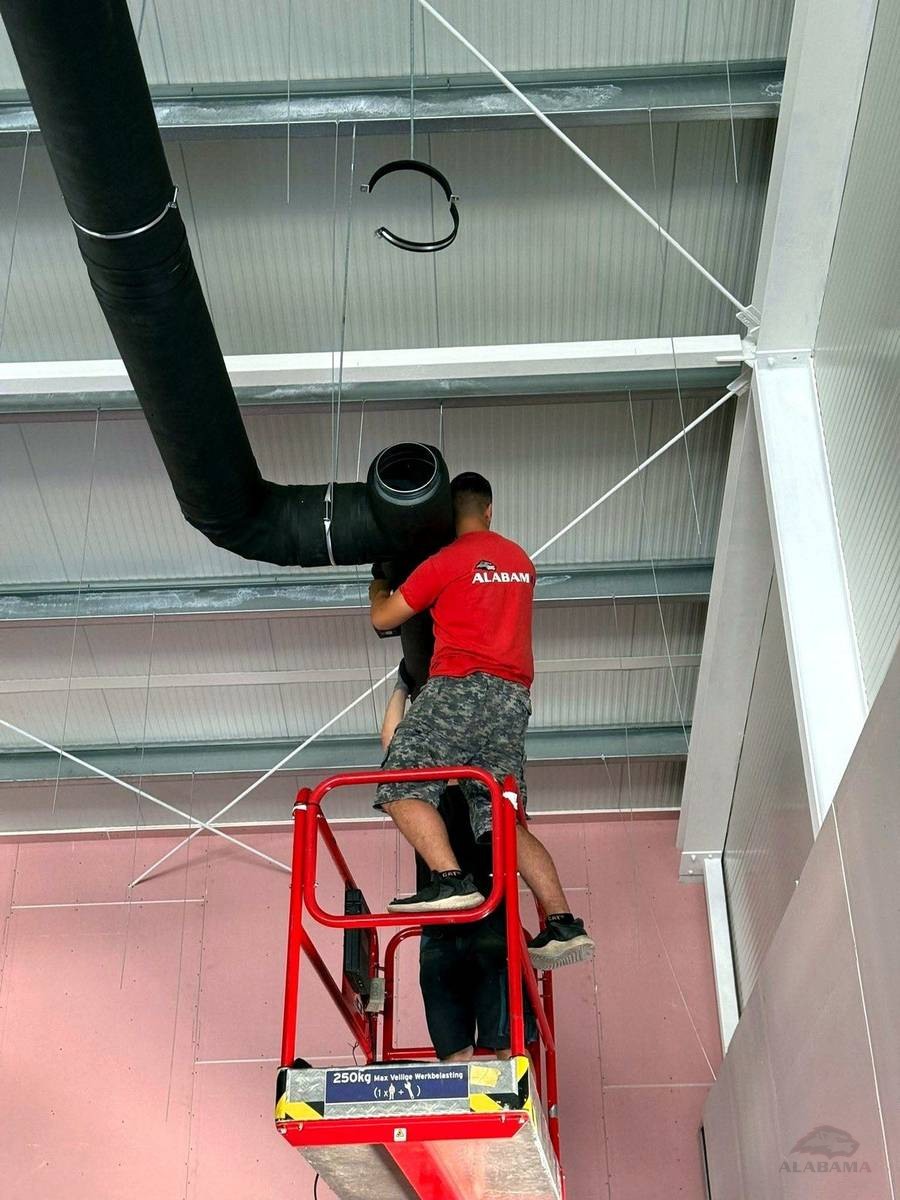
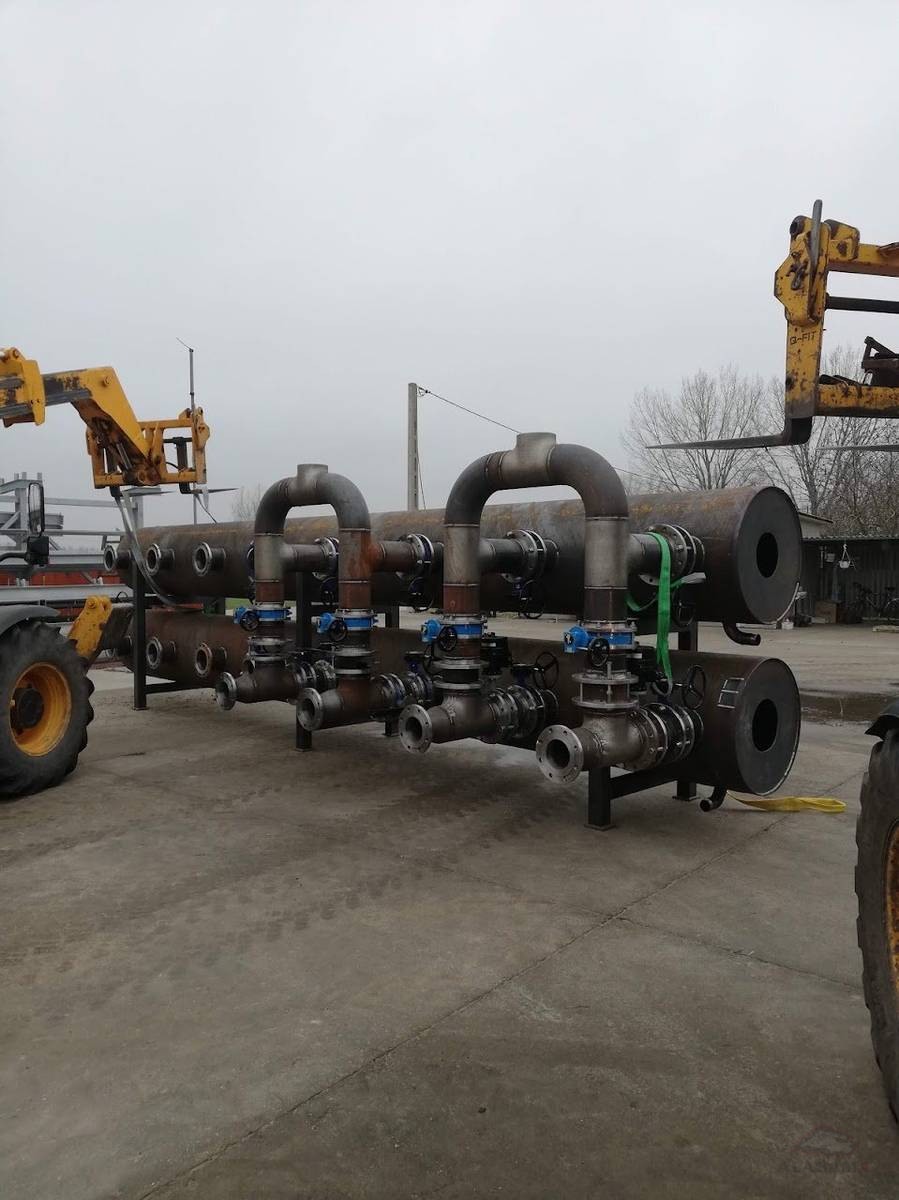
The engineering system requires a significant location. Pipes, air ducts, fittings, condensation discharge, support structures and electrical connections shall be without impact. In the environment of machinery or outdoor equipment, the route of installation is also important but also the route of service, extraction and subsequent replacement.
Maintenance is not an extra comfort. If a filter, valve, measuring point or cleaning opening is only available by disassembly, operation becomes difficult. The same applies to regulatory sensors and control points: they must be located in such a way that the system status can be checked later.
Without regulation, good equipment does not create a good system
The heating, cooling and air-conditioning elements can work together if their controls are familiar with the same operating conditions. It is necessary to determine which signal starts or prohibits a device, what happens when the gate opens, how the volume of air changes, and what priority is applied to the needs that arise at the same time. While the operator needs transparent settings and understandable feedback.
Control of regulatory logic is part of the test plant. It is not enough to see the individual machines starting: the reaction of the entire system must be observed in different operating conditions. It is then determined whether interventions are in the right order, whether air and heat are in the desired space, or whether there is a zone that needs to be corrected by the settings.
Important checkpoints for implementation
- The usage data and the scaling assumptions are the same as the real plant.
- The pipe and airway tracks are impacted, the postures and breakthroughs are prepared.
- Machinery, valves, filters, cleaning openings and measuring points are available.
- The treatment of condensation water, emptying, dehydration and freezing is resolved.
- The results of regulation, regulation and testing may be documented.
From survey to transfer
- Recording of operational needs: rooms, technology, shift order, loads, air quality and temperature requirements.
- System Concept: the production of heat or heat, heat reduction, air exchange, suction, zones and regulatory principles.
- Coordination: coordination of equipment, machinery, pipes, air ducts, breakthroughs, receptacles, electricity and architectural relations.
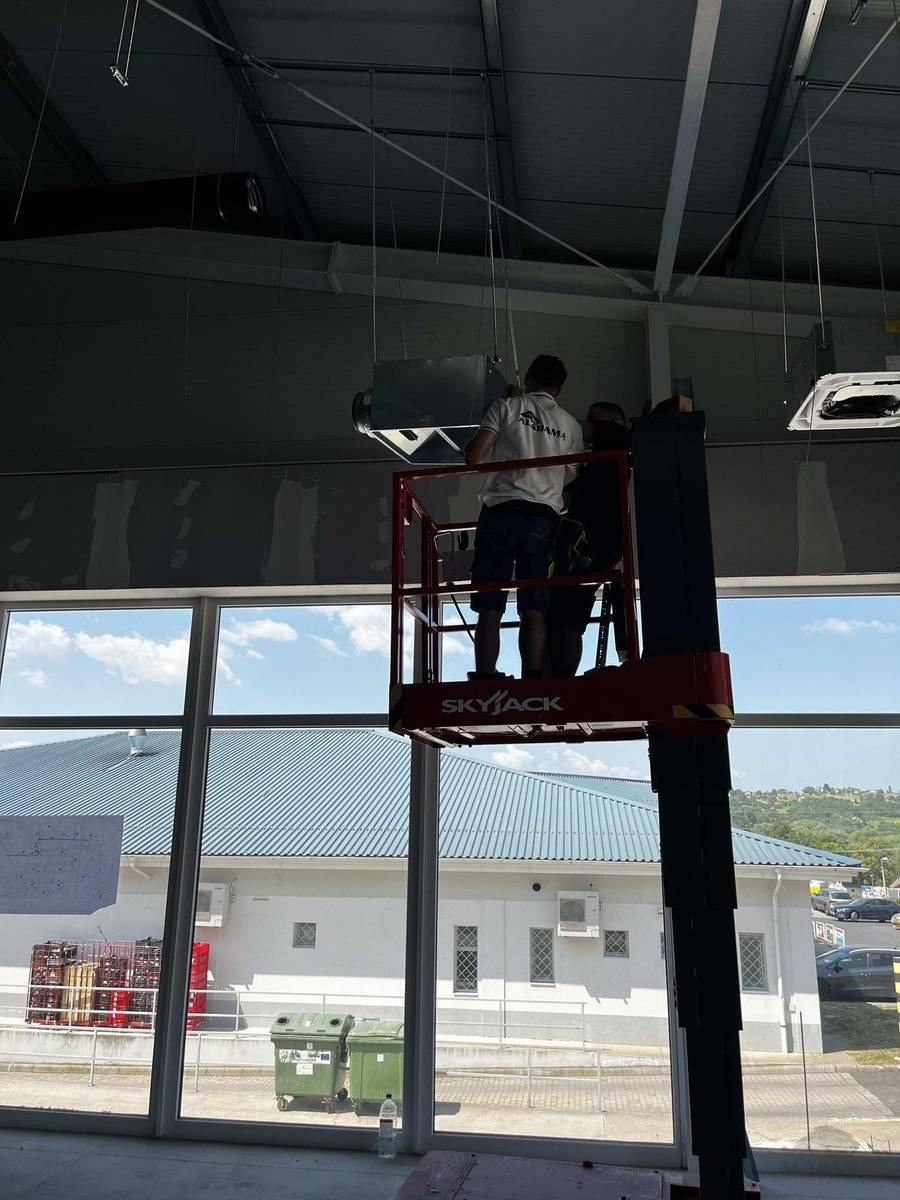
- Implementation: installation, binding and compression checks, insulation, marking, cleaning and access testing.
- Installation: checking function tests, alignment, regulatory situations and safe stopping conditions.
- Transfer: management information, configuration data, documentation and closure of open items.
What kind of data accelerates the initial consultation?
- Basics, room functions, interior heights and known dimensions of mechanical spaces.
- Brief description of the technological equipment, simulations, internal heat loads and the schedule.
- Available data on existing energy supply, heat generation, cooling, pipework systems and air technology.
- The required zones, different temperature or air quality needs and operational priorities.
- The stop limits during execution, access options and the intended transfer status.
What makes two mechanical offers comparable?
It is not enough to find the same type of equipment or nominal power. The offer can be evaluated if it reveals the contents of the system boundary, of the piping and air duct network, of the supports, of insulation, of condensation water treatment, of the electrical and regulatory connection, of the test plant, of the fitting and of the transfer. It is particularly worth reading which works, breakdowns or repairs remain the customer's tasks.
Good industrial building services engineering is not uniform because all elements are of the same brand, but because the systems are designed for the same operational purpose, coordinated control and verifiable transfer.
Related professional articles
 Industrial building services engineering
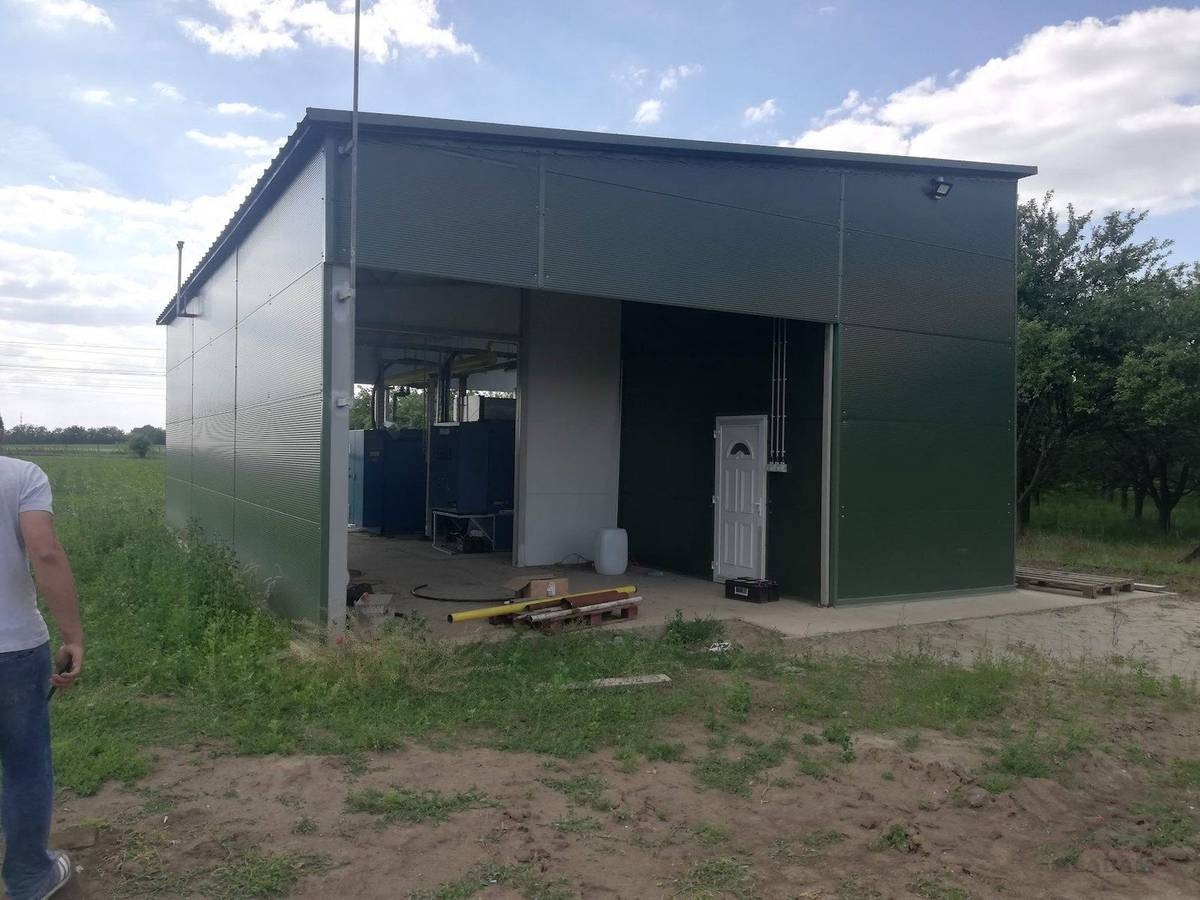
Industrial engineering in small places - how does everything fit in a machine house?
 Industrial building services engineering
What makes an industrial engineering system well built?
 Industrial building services engineering
What building services does an industrial hall need?
 Industrial building services engineering
What branches should be coordinated for complex engineering?
 Industrial building services engineering
How is heating, cooling and air technology connected in a plant?
 Industrial building services engineering
Why is it wrong to leave engineering at the end of the industrial hall construction?
Related Alabama service: Industrial building services engineering
If the use of rooms, the technological load or the problem of the existing system can already be outlined, contact from the industrial building services engineering service page is directly accessible. The first survey aims to clarify what system boundaries and what professional contacts are worth further planning.