
The type name starts the discussion
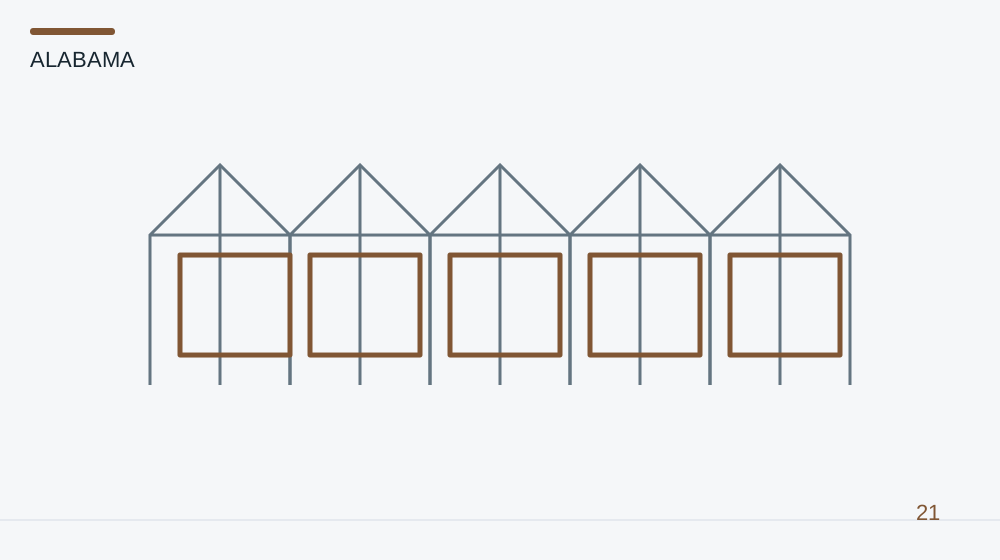
Venlo is a modular greenhouse design based on repeating roof units that enclose the growing area. The Hortilife description of the traditional Venlo system includes, for example, galvanised steel trusses, aluminium profiles and vents on both sides of the roof ridge. Glass is a common glazing option, although manufacturers also offer other coverings. The name therefore provides a structural starting point; the chosen dimensions, covering, growing objective and related technology must be established from the specific project description.
An investor may assume that a given type name always implies the same functionality. The site, crop and equipment remain separate considerations. A quotation should therefore include a technical description alongside the type name. The type is a starting point for comparison; it does not replace reviewing the layout, agreed scope and conditions for using the system at the specific site.
Relate the module to usable space
A modular layout becomes meaningful when linked to the growing area and daily work. Where are the structural members, and how do they relate to crop rows or internal routes? The project’s own layout provides the answer. A generic system illustration may not show maintenance access, service areas or the specific connections to growing technology.
Trace a production task and a maintenance task on the plan. The routes taken by staff and equipment show how the proposed layout will be used. This does not rate the system in isolation. It helps establish whether the particular design fits the nursery’s daily operations or whether the layout needs further discussion before proceeding.
Define the technology separately
A Venlo greenhouse can be fitted with different climate, water and control systems. Their presence and functions must be stated in the quotation. The type name alone does not establish suitability for year-round cultivation, a particular energy consumption or a production result. For every selected system, the investor should ask which task it performs and who is responsible for integrating it with the building.
Evaluate the covering and internal technology against the same growing objective. If two options target different seasons or crops, the differences should be clear beyond their prices. A comparison is useful when the purpose of each arrangement is visible. The type, system list and intended operating condition remain three distinct but connected pieces of information in the quotation.
Document the site-specific design
Examples from overseas manufacturers can illustrate several climates and growing objectives. They are useful for research but do not replace site-specific planning. Identify who will adapt the chosen system to the site and which data are needed. Approved details should be available to the construction team, rather than appearing only in an earlier sales presentation.
Assess future expansion on the project’s own plan as well. Modular construction may allow changes to be explored, while utilities, service areas and technology require separate checks. The Venlo name does not resolve every detail. It provides a framework for discussion that must be developed with site data, a specific technical scope and decisions tied to the growing objective.
Questions to reconcile the project
- What is the specific Venlo version?
- How does the module fit into daily use?
- What local conditions of use have been investigated?
Professional background
The related international system solutions are provided by these primary manufacturers and execution sites. The decision aspects of the project shall be interpreted independently by the article; the specific size and content of the undertaking shall be clarified on the basis of the investment data.
development project preparation
The structure, engineering and on-site installation of the greenhouse is a coordinated working process. Learn the service area and compare the tasks of the planned investment.