Alabama Szer Kft.
Project implemented
Móra Zoltán kertészete - greenhouse mechanical engineering
At Móra Zoltán’s horticultural site in Zákányszék, we completed the agreed greenhouse mechanical installation in full.
- Year completed
- 2022
- Site
- Zákányszék
- Work completed
- Greenhouse mechanical installation
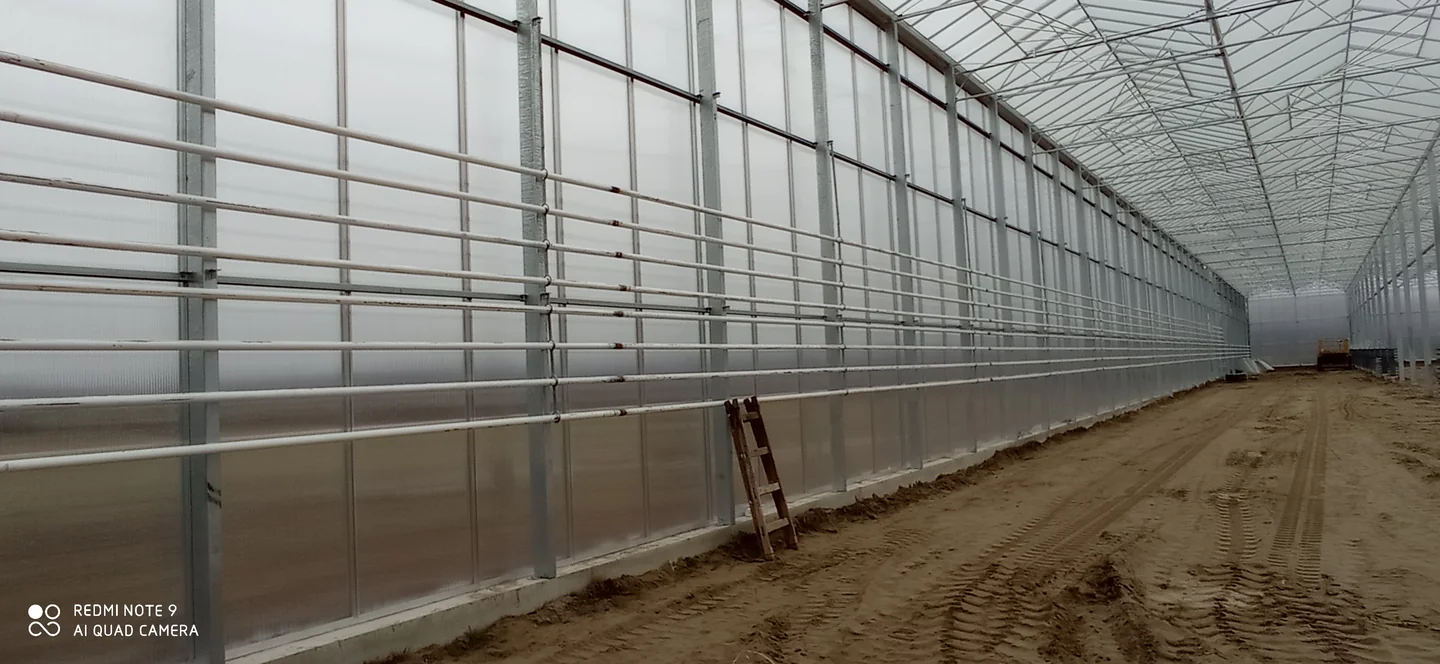
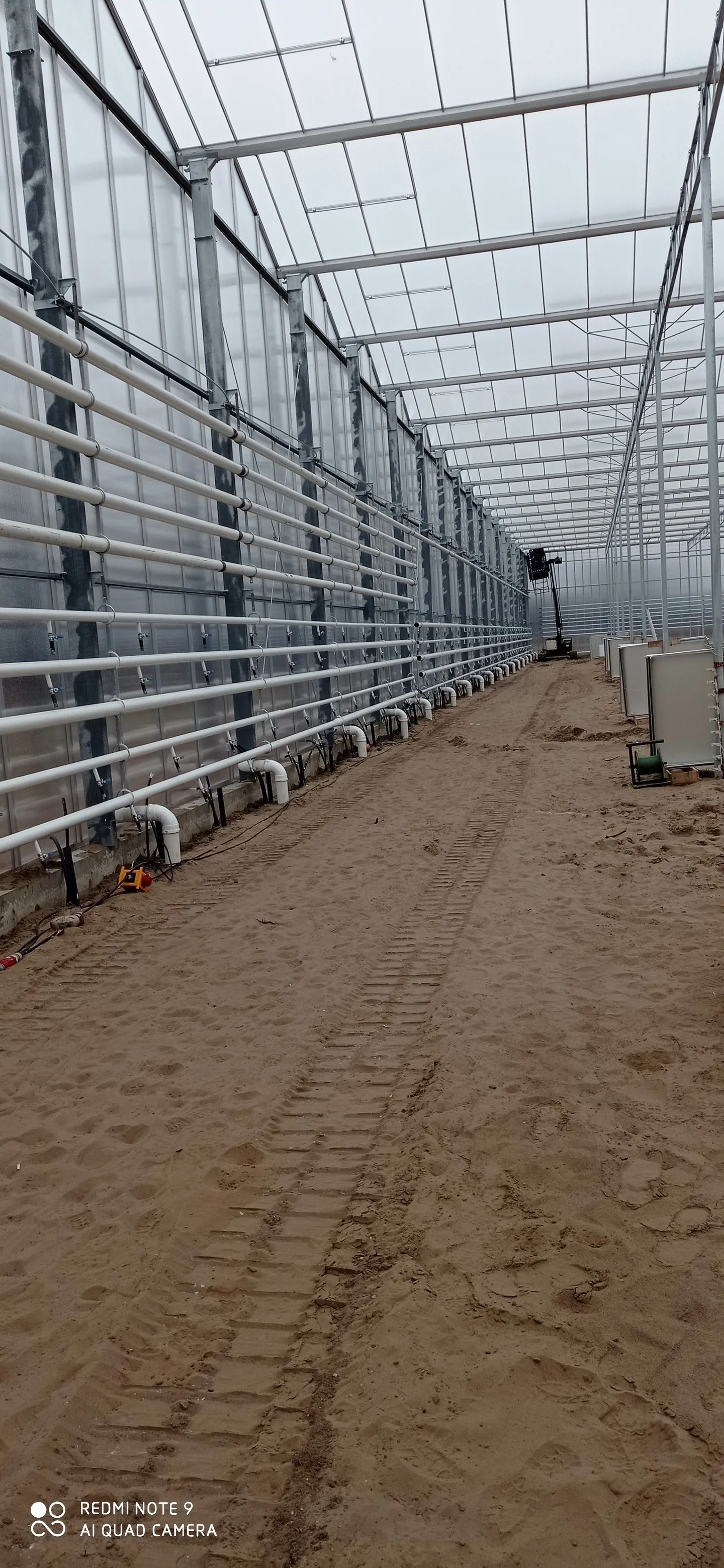
Alabama Szer Kft. carried out the mechanical installation in the greenhouse at Móra Zoltán’s horticultural site in Zákányszék. The work took place in late 2021 and early 2022 as part of the growing facility’s construction. Connecting the heating pipes along the side walls, the branches and the related fittings formed an important part of the on-site installation. We completed the agreed mechanical work in January 2022.
heating network with a built-in greenhouse
It is the responsibility of heating the greenhouse to transfer heat to different parts of the building and to give it the opportunity to address different heating needs. In a long growing space, the associated pipework systems are required: the heat supply lines must be connected to the local heating phases. In the work of the winery, Alabama This mechanical construction task was undertaken in connection with the construction of the new greenhouse.
The technical purpose of the investment was to establish a network for different heating functions. The installation of the pipes was closely related to the structure of the greenhouse: the longitudinal lines and their connections had to be formed in the space between the side walls, columns and end walls. Mechanical work therefore reported both networking and installation adapted to the site structure.
The heating pipes are part of the infrastructure for the use of the production building. They were not equipped with separate equipment: long sections, sections and fittings formed a common system. The focus of the undertaking was the construction of this mechanical worker.
The Alabama engaged working part
We carried out the work for Móra Zoltán’s horticultural site in Zákányszék. Alabama Szer Kft. was contracted to install the mechanical systems of the greenhouse under construction. Our role was defined by this specialist scope: installation of the heating network and its related mechanical components within the greenhouse construction project.
We provided our own tools, tools and small machines for the installation. On-site work was supplemented by the procurement of parts and fittings. The questions of pumps, three-way valves, connectors and hoses were linked to the same mechanical task, which included the wall-side piping sections.
To understand the role of construction, it is important that this is about professional work within Greenhouse. The preparation of heating lines, sections and related fittings has given the team independent, interconnected tasks. These were implemented according to the investments of the garden.
Technical background for various heating tasks
The mechanical system diagram used for the work divided the heating duties into separate circuits. It included soil heating, side-wall heating, growth-point and crop heating, as well as underfloor heating in the handling area. This arrangement reflected the design for the different parts of the greenhouse and their uses.
The principle of separate branches is important because heat should not be delivered everywhere in the same place and in the same way. The heating near the ground is given a different spatial function than a pipe at the side walls or at the height of the plant. The switching plan provided a technical framework for their interconnection and the construction of each piping section and connection on the spot.
In the project material acquisition, we used the same plan when ordering pumps and three-way valves. The design background was thus directly linked to the mechanical work undertaken. The side wall network installed on the site was one of the distinct parts of this larger heating connection.
Heat supply background based on thermal water
The switching plan for the granhouse was based on thermal water. The technical design also included a water buffer tank, connection to the supply system and a link to the backdoor system. This gave the planned heat supply environment to which the heating branches of the greenhouse were attached.
The heat supply background and the heat distribution within the greenhouse have different functions. The former provides the available heat and the latter provides the right space for the heating water. In order to understand the engineering undertaking of the winery, therefore, besides long lines of pipes, the switching order is included: local heating sections can function as part of a larger system.
The plan also separated the forward and returning lines of the heating branches. The forward side provides the way for the heating phase of the water carrying the heat, and the returning side serves to guide the water from there. Coherence of these two sides determines network connections. In mechanical construction, the adjacent pipes should therefore also be assigned to the corresponding branch and access point.
The Alabama In presenting its working part, the heat supply plan explains this system relationship. In the centre of its own on-site assembly was the engineering pipework systems and related elements.
Longline lines along side walls
The typical working part of the on-site installation was provided by heating lines at several heights along the side walls. The straight sections followed the length direction of the greenhouse, with the repetitive points of maintenance next to the columns. The wires had to be placed in the allocation corresponding to the structure, while the connection of lines running at different heights had to be resolved.
The installation of such a network consists of many related on-site operations. In addition to the installation of the piping sections, the assembly of the ends, the direction changes and the construction of the branches are part of the task. The long side-wall lines were supplemented by lower connecting sections and parts towards the end wall.
The role of the holders is to maintain the position of the pipes. The connection between the maintenance points and the lines was therefore part of the construction, not merely the addition at the end of the building. During the installation, the continuous flow of pipes had to be adjusted to the columns, walls and heel design. This is why the long-term network has been established, which has linked local heating phases.
Crops and fittings
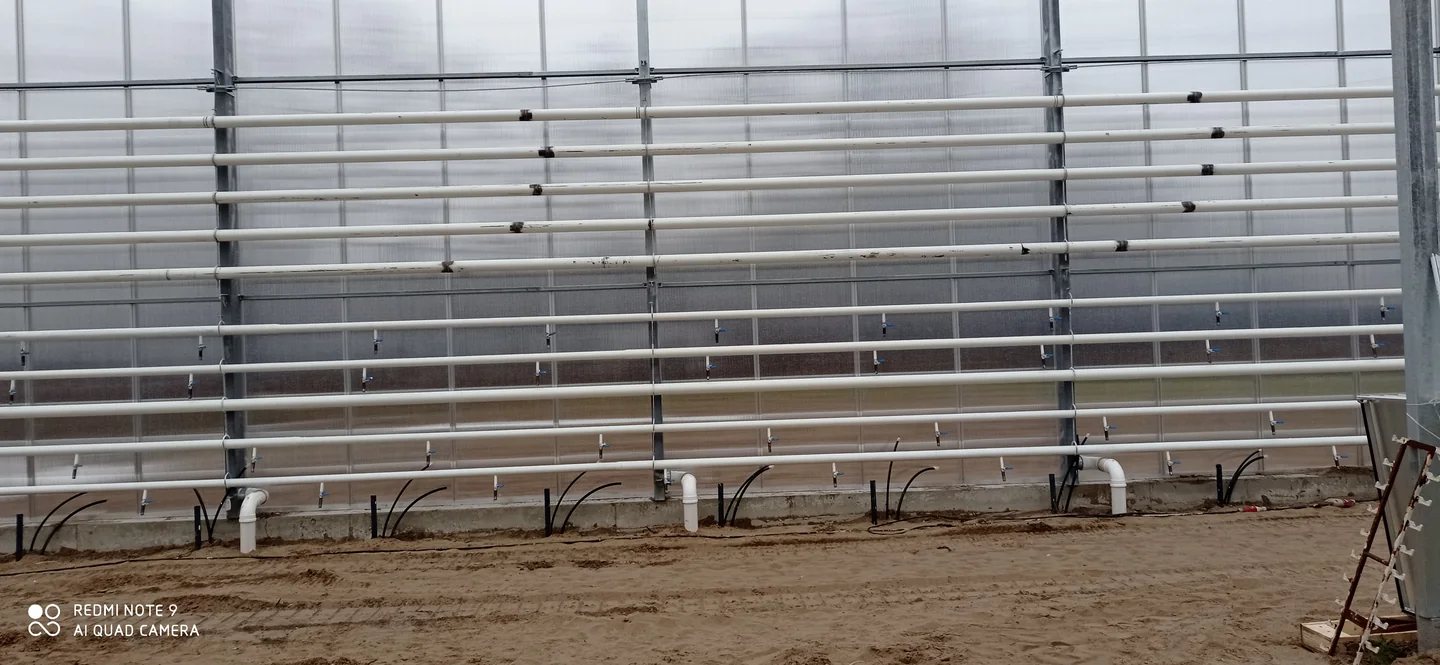
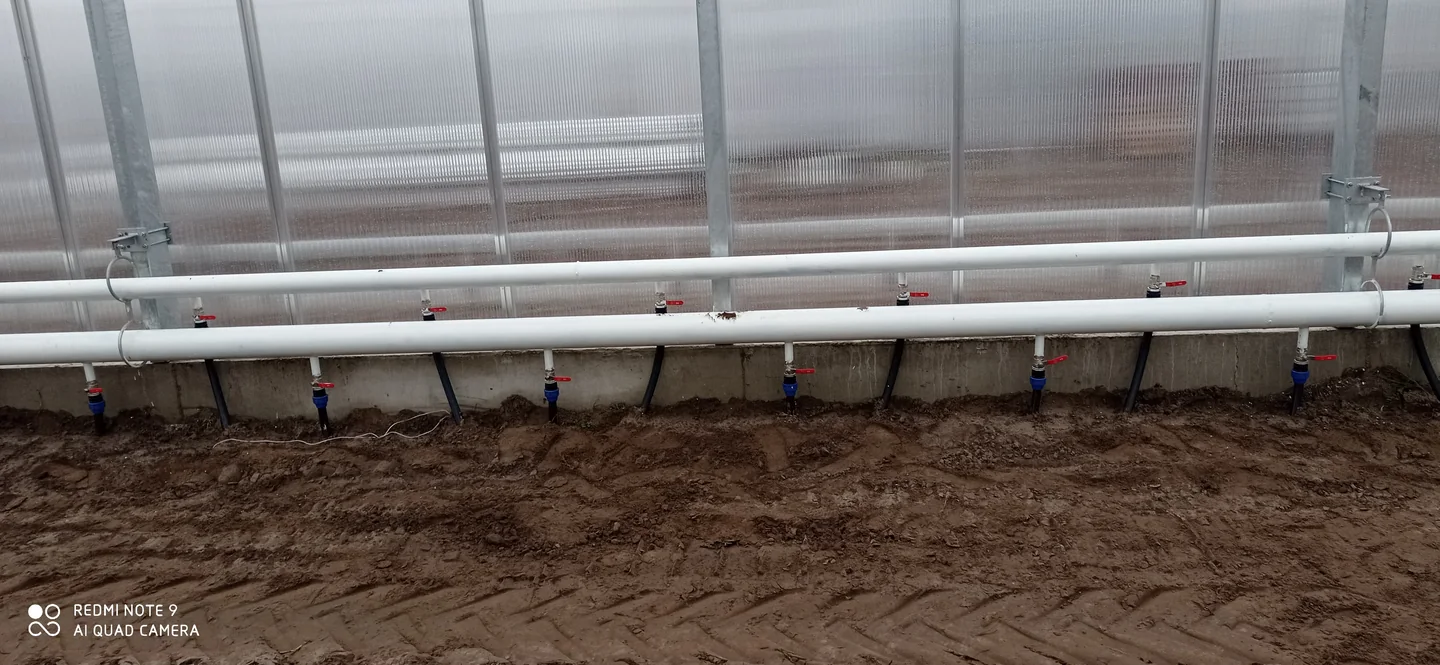
In addition to the lines along the wall, the construction of the lanes was also decisive. The connections from the lower lines and the hand locks were part of the connection of each section. The network was thus not only made up of long, straight pipes: the pipes had to be driven in a different direction at the nodes, at different heights or towards further connection.
The general task of manual dampers is to separate a line section. For connections, the location and handling of the assembly is therefore also considered in addition to the pipe gauge. In the windowsill, the walls were connected with closed sections and flexible connecting sections.
The parts of the pipework system formed at corners and end walls have reported points of fitting requiring special attention. The continuation of straight lines had to be adapted to the spatial situation: where to change direction, where to connect the pipes above each other. The technical content of the task was given by these smaller nodes in the same way as the lines following the length of the greenhouse.
The main line and the junction are given different tasks in the network. The longitudinal line connects several points of connection, and the branching leads to a local section of water flow. This connection is formed together by the pipes and locks. In the windowsill, the branching points were repeated elements of the long sidewall network.
Rediscussion of pumps and three-way valves
The pipework systems related material acquisition included pumps and three-way valves. The October order concerned the equipment provided on the mechanical design, including the necessary edges and screws. The purchase thus also covered the connection elements required for mechanical connections.
The pump is used to circulate the heating water and the three-way mixing valve is involved in shaping the water temperature of the branch. These devices connect the heat supply and local pipework systems: the water carrying the heat must reach the appropriate heating phase. The selection of the fittings is therefore adapted to the switching system and to the connected wires.
For peripheral connections, the connection between the assembly and the pipeline is provided by matching interfaces and fasteners. Therefore, in addition to the choice of the equipment, the handling of the corresponding edges and screws was a specific purchase item. These were requested along with the pumps and valves on the plan. This is well characterized by the need for the details of the mechanical installation: the preparation of the larger equipment and the connection built around it are connected.
The project also had further coordination on the size of valves and the components to be carried. Such details shall include the preparation of on-site installation. When connecting a tube section and a assembly, connections must be compatible; the purchasing task must therefore be treated in conjunction with the actual installation requirement.
Hose and additional coupling elements
The mechanical task also covered technical coordination of flexible hose connections. During the December preparation, the applicability of the hose and its fitting to the working medium were also a question. In addition to the location of the connection, the conditions under which the material must operate are also relevant for the selection.
The flexible section provides a different mounting option than the rigid pipe. You can connect connected but different positions, while you require an adequate end connection. The project's material preparation has therefore also addressed the needs of tipping connections in addition to rigid pipes and fittings. The rediscussion of the applicability was a technical task for obtaining the coupling elements.
In January of the following year, the project will be completed TThe purchase was also linked. The branching mechanism is the components necessary for the design of pipework systems nodes. In addition to straight lines, the installation also meant the handling of connecting elements, from smaller connections to larger fittings.
On-site installation during construction
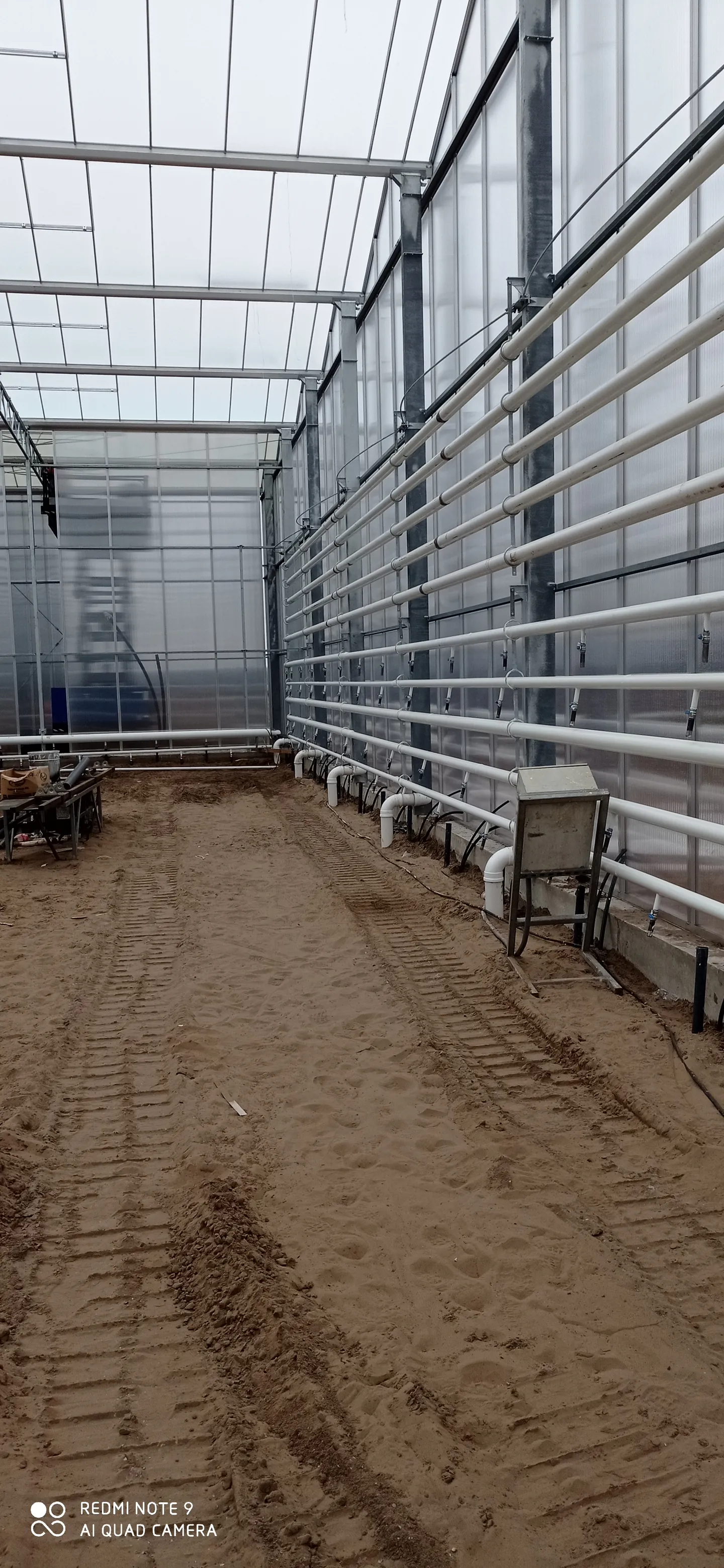
The work was done by the construction of the greenhouse. The construction of the side wall pipes was part of the construction. During the production of the pipeline network, access had to the maintenance and connection points at different heights, from the lower sections to the higher rows of pipes.
The work extended along the long side walls followed by the pipes. Alongside the repeated pipe sections, there were also different local details to address: a corner, an end-wall connection or a branch from the lower pipe. Our on-site task was to coordinate these installations using our own fitting tools and small equipment.
The December status is recorded by the pipework systems during execution. This working phase is an important part of the project: that is when the longitudinal lines and the connecting sections came together. However, the engineering project has extended to the following year, so the project will be completed in 2022.
From preparation to completion
In the autumn of 2021, the preparation was already dealing with specific components related to the mechanical design. In October, pumps and three-way valves were ordered, and in November, the project-related material was continued. This period was linked to the material and technical preparation of the work on the ground.
In December, in addition to the installation of pipework systems, the component arrangements continued. At this time, the walls and sections of the side wall appeared as a system that was already being prepared. The next period of work is indicated by the January project component acquisition and the continuation of field engineering work.
The mechanical construction was completed in January 2022. The preparation, the purchase of parts and on-site installation were built on each other: for the long heating lines, the sections, fittings and connections provided the finished working part together.
Project results and our role as developers
In the Zákányszék investment, Alabama Szer Kft. completed the agreed mechanical works for the greenhouse under construction. The work combined installation of the heating pipework and coordination of the related mechanical components at Móra Zoltán’s site.
The work concerned a network of side wall pipes, lower lines, branches and connecting sections running on several levels. On-site installation was also linked to the purchase preparation of pumps, mixing valves and small pipes. The reference shows the implementation of these related technical tasks.
Images of implementation